
Could Trump’s Tariffs Trigger a Global Recession?
Could Trump’s Tariffs Trigger a Global Recession? Here’s what investors need to know about trade risks, inflation, markets, and portfolio strategy.
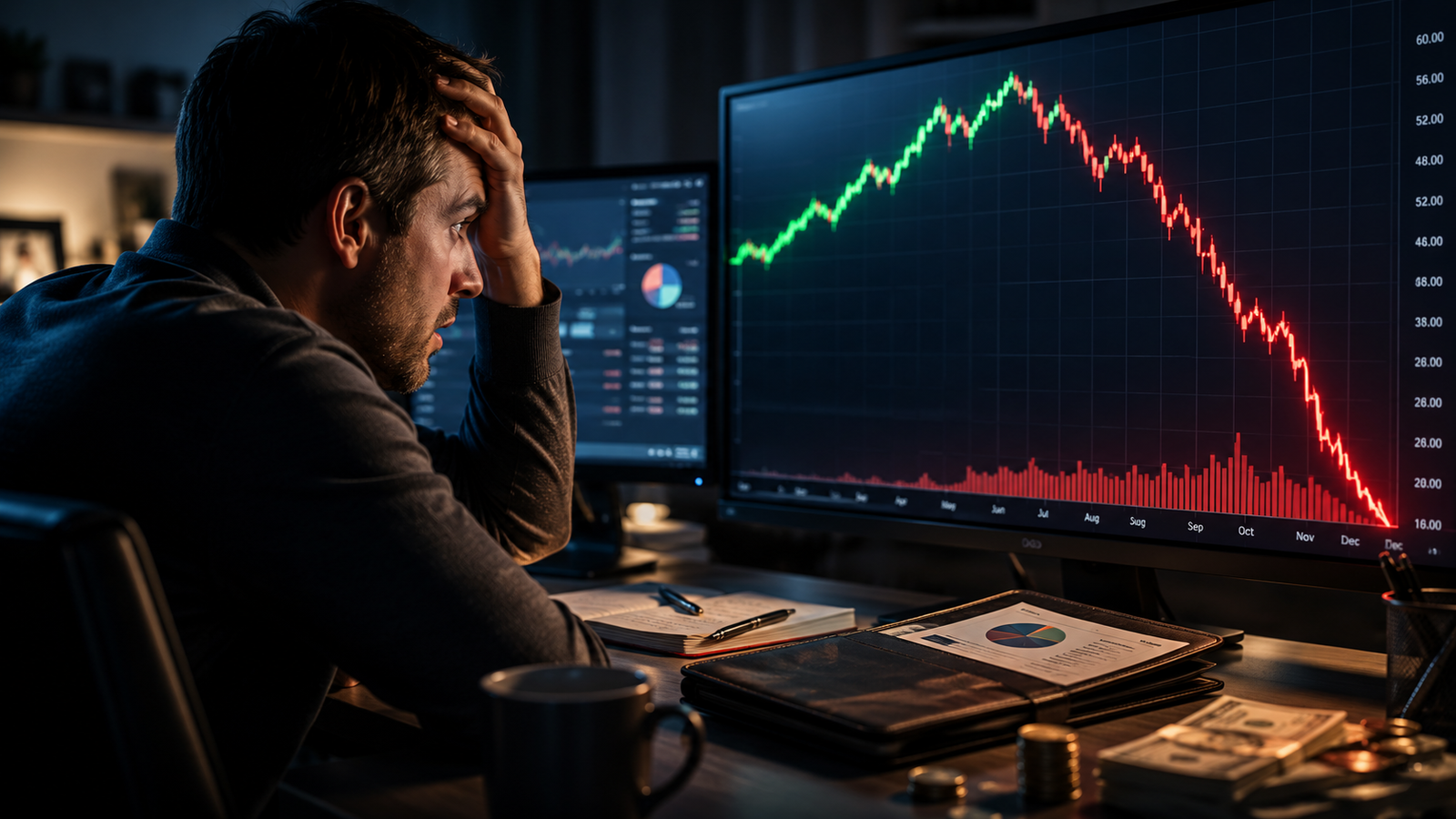
Markets hate uncertainty—and few economic policies create more uncertainty than tariffs.
When investors hear the word “tariffs,” they often think about politics first. But tariffs are not just political tools. They can affect inflation, corporate profits, supply chains, consumer prices, interest rates, and even the direction of the stock market.
That is why many investors are now asking an important question: Could Trump’s Tariffs Trigger a Global Recession? Here’s What Investors Need to Know.
The concern is understandable. Tariffs can make imported goods more expensive, pressure companies that depend on global supply chains, reduce consumer purchasing power, and spark retaliation from trading partners. If these pressures spread across major economies at the same time, global growth can slow.
However, tariffs alone do not automatically cause a recession. The real danger comes from the combination of higher prices, weaker business investment, falling consumer confidence, and tighter financial conditions.
For everyday investors, the key is not to panic. The smarter approach is to understand how tariffs work, which sectors may be most exposed, which assets may hold up better, and how to position a long-term portfolio without making emotional decisions.
In this guide, we will break down what tariffs mean for the economy, why investors are worried, how global markets may respond, and what you can do to protect your wealth in an uncertain trade environment.
Key Takeaways
- Tariffs can raise costs for consumers and businesses.
- Higher import prices may contribute to inflation.
- Trade tensions can reduce global growth and business confidence.
- A global recession is possible only if tariff shocks spread widely and damage demand.
- Companies with strong pricing power may handle tariffs better than weaker competitors.
- Consumer discretionary, industrials, technology hardware, autos, and retailers may be more vulnerable.
- Dividend investors should focus on balance sheet strength and cash flow stability.
- Long-term investors should avoid panic selling based only on political headlines.
What Are Tariffs?
Tariffs are taxes placed on imported goods.
For example, if the United States places a tariff on imported steel, companies bringing foreign steel into the country must pay an additional cost. That cost may be absorbed by the importer, passed on to customers, or shared across the supply chain.
In theory, tariffs are often used to:
- Protect domestic industries
- Reduce trade deficits
- Pressure foreign governments
- Encourage local manufacturing
- Respond to unfair trade practices
But in practice, tariffs usually create trade-offs.
They may help some domestic producers while hurting companies that rely on imported materials. They may protect certain jobs while increasing costs for consumers. They may strengthen one industry while weakening another.
That is why investors must look beyond the political debate and focus on the economic consequences.
Why Investors Are Worried About Trump’s Tariffs
Investors worry about tariffs because markets are forward-looking.
Stock prices do not only reflect what is happening today. They reflect expectations about future profits, inflation, interest rates, and economic growth.
If tariffs increase costs for businesses, profit margins may shrink.
If companies raise prices to offset tariffs, consumers may spend less.
If consumers spend less, corporate earnings may decline.
If earnings decline broadly enough, the stock market may reprice lower.
This chain reaction is what makes tariffs important for investors.
A tariff does not need to destroy the economy to affect your portfolio. Even a modest change in earnings expectations can move stocks, bonds, ETFs, REITs, and dividend-paying companies.
How Tariffs Can Raise Inflation
Tariffs can act like a hidden tax on imported goods.
When companies pay more to bring products into the United States, they often try to recover those costs by raising prices.
This can affect everyday items such as:
- Clothing
- Electronics
- Cars
- Furniture
- Appliances
- Building materials
- Food products
- Industrial components
If prices rise across enough categories, inflation may become more difficult to control.
That matters because inflation influences the Federal Reserve.
If tariffs keep inflation elevated, the Fed may delay interest rate cuts or keep monetary policy tighter for longer. Higher interest rates can pressure stock valuations, real estate, REITs, and highly indebted companies.
For investors, this creates a complicated environment:
Tariffs may slow growth, but they may also raise prices.
That combination can be especially challenging because it creates both recession risk and inflation risk at the same time.
Could Tariffs Really Cause a Global Recession?
Tariffs alone rarely cause a global recession.
However, tariffs can become dangerous when they trigger a broader economic chain reaction.
A global recession becomes more likely if several things happen at once:
- Major economies impose tariffs on each other.
- Trading partners retaliate.
- Companies delay investment.
- Consumers reduce spending.
- Inflation stays elevated.
- Central banks keep rates high.
- Financial markets lose confidence.
In that scenario, tariffs become more than a trade policy. They become a global growth shock.
The biggest risk is not one tariff announcement.
The biggest risk is escalation.
If tariffs expand across countries and industries, businesses may struggle to plan, supply chains may become more expensive, and global trade volumes may decline.
That is why investors should watch not only the tariff itself, but also how other countries respond.
The Retaliation Risk
One of the most dangerous parts of tariff policy is retaliation.
If the United States imposes tariffs on another country, that country may respond with tariffs of its own.
This can hurt exporters, farmers, manufacturers, and multinational companies.
For example, if U.S. tariffs make imported goods more expensive, foreign governments may respond by targeting American products such as:
- Agricultural exports
- Automobiles
- Aircraft
- Technology products
- Energy products
- Industrial equipment
This creates pressure on companies that depend on international customers.
A trade dispute can quickly move from one industry to another.
That is why investors should avoid assuming that tariffs affect only importers. Exporters can also suffer if trading partners respond aggressively.
Which Sectors Could Be Most Affected?
Not all sectors respond to tariffs the same way.
Some industries are highly exposed to global supply chains. Others are more domestic and defensive.
Below are sectors investors should watch carefully.
Consumer Discretionary
Retailers, apparel companies, furniture sellers, and electronics brands may face higher import costs.
If they pass those costs to consumers, demand may weaken.
If they absorb the costs, profit margins may decline.
Either outcome can pressure earnings.
Automobiles
The auto industry depends heavily on global supply chains.
Parts may cross borders multiple times before a final vehicle is sold.
Tariffs on steel, aluminum, electronics, batteries, or imported vehicles can increase production costs.
This may lead to higher car prices and weaker consumer demand.
Technology Hardware
Many technology companies depend on overseas manufacturing.
Tariffs can raise costs for:
- Semiconductors
- Smartphones
- Computers
- Networking equipment
- Consumer electronics
Large technology companies may have more flexibility, but smaller hardware businesses may struggle with margin pressure.
Industrials
Industrial companies often rely on imported materials and global customers.
Tariffs can hurt them in two ways:
First, input costs rise.
Second, foreign demand may weaken if trade tensions reduce global investment.
Agriculture
Farmers can be highly vulnerable to retaliation.
If foreign countries target U.S. agricultural exports, farmers may lose access to important international markets.
This can pressure commodity prices, farm income, and rural economies.
Which Sectors May Be More Defensive?
Some sectors may be less directly exposed to tariffs.
That does not mean they are risk-free, but they may hold up better in a trade-driven slowdown.
Utilities
Utilities usually generate revenue from domestic customers.
Because electricity, gas, and water are essential services, demand tends to be more stable.
However, utilities can still be affected by higher interest rates and infrastructure costs.
Healthcare
Healthcare demand is generally less sensitive to trade cycles.
People still need medicine, insurance, hospitals, and medical services during economic slowdowns.
Still, some medical device and pharmaceutical supply chains may face cost pressure.
Consumer Staples
Companies selling essential goods such as food, beverages, household products, and personal care items may be more resilient.
These businesses often have stronger pricing power because consumers continue buying basic necessities even when the economy slows.
Dividend Growth Stocks
High-quality dividend growth companies may offer relative stability because they often have:
- Strong cash flow
- Established brands
- Long operating histories
- Conservative balance sheets
- Proven capital allocation discipline
However, dividend investors should still examine payout ratios, debt levels, and exposure to global supply chains.
How Global Markets Typically React to Tariff Announcements
Financial markets dislike uncertainty more than almost anything else.
When governments announce new tariffs—or even suggest that new trade restrictions may be introduced—investors often begin reassessing future corporate earnings, inflation expectations, and economic growth.
As a result, markets can become more volatile.
Common market reactions include:
- Increased stock market volatility
- Higher demand for defensive sectors
- Declines in companies heavily exposed to international trade
- Stronger interest in safe-haven assets
- Shifts in bond yields
- Increased currency fluctuations
It’s important to remember that markets often react before the actual economic effects of tariffs become visible.
Investor expectations alone can move asset prices significantly.
Lessons From Previous Trade Wars
History provides valuable perspective.
During earlier periods of heightened trade tensions, businesses around the world adjusted by:
- Diversifying suppliers
- Relocating manufacturing facilities
- Renegotiating contracts
- Increasing inventory levels
- Passing some costs to consumers
Some industries experienced short-term disruptions, while others adapted remarkably well.
One key lesson is that economies are dynamic.
Companies rarely remain passive when costs increase.
Instead, they continuously search for ways to improve efficiency and protect profitability.
For investors, this reinforces an important principle:
Avoid making long-term investment decisions based solely on short-term political developments.
Could Tariffs Affect Dividend Investors?
Dividend investors should pay close attention to trade policy.
Higher costs can reduce corporate profits.
Lower profits may limit a company’s ability to increase dividends.
However, not all dividend-paying businesses are equally vulnerable.
Companies with the following characteristics may prove more resilient:
- Strong free cash flow
- Conservative payout ratios
- Low debt levels
- Stable domestic demand
- Pricing power
- Long histories of dividend growth
Businesses that generate most of their revenue within the United States may experience less direct exposure than multinational corporations with highly complex global supply chains.
This is why dividend quality often matters more than dividend yield alone.
What Could the Federal Reserve Do?
Tariffs create a difficult challenge for central banks.
Normally, when economic growth slows, central banks may lower interest rates to stimulate borrowing and investment.
However, tariffs may also increase inflation.
If inflation remains elevated while growth weakens, policymakers face a more complicated situation.
This environment is sometimes referred to as stagflation—a period characterized by:
- Slower economic growth
- Persistent inflation
- Higher unemployment
- Reduced business investment
Although stagflation is not inevitable, investors should understand why trade policy can complicate monetary policy decisions.
Future Federal Reserve actions will likely depend on the combined effects of inflation, employment, consumer spending, and overall economic activity.
Comparing Investment Strategies During Trade Uncertainty
Every investor responds differently to economic uncertainty.
The table below compares several common approaches.
| Strategy | Potential Advantages | Potential Risks | Best Suited For |
|---|---|---|---|
| Stay Fully Invested | Long-term growth potential | Short-term volatility | Long-term investors |
| Increase Cash Holdings | Greater flexibility | Inflation may reduce purchasing power | Conservative investors |
| Focus on Dividend Growth | Income plus long-term growth | Dividend cuts remain possible | Income investors |
| Invest in Defensive Sectors | Lower economic sensitivity | May underperform during strong recoveries | Moderate investors |
| Broad Index Fund Investing | Diversification | Market-wide declines still occur | Most long-term investors |
| Frequent Market Timing | Potential short-term gains | High risk of poor decisions | Experienced traders only |
History suggests that disciplined, diversified investing has generally produced better long-term outcomes than repeatedly attempting to predict political or economic events.
Common Investor Mistakes During Trade Tensions
Periods of uncertainty often lead investors to make emotional decisions.
Some of the most common mistakes include:
Selling During Market Panic
Sharp market declines can be uncomfortable.
However, selling quality investments during periods of fear may lock in losses and reduce future recovery potential.
Concentrating Too Much in One Industry
Investors sometimes overreact by moving heavily into a single sector they believe will benefit from tariffs.
Diversification remains an important defense against unexpected developments.
Ignoring Company Fundamentals
Tariffs matter.
But company quality still matters more.
Strong balance sheets, durable competitive advantages, and healthy cash flow often remain the best indicators of long-term investment success.
Chasing Headlines
Political headlines change rapidly.
Long-term investment plans should not be rewritten every time a new tariff proposal appears in the news.
Opportunities That Could Emerge
Although tariffs create risks, they may also create opportunities.
Some domestic industries could benefit if imported competition becomes more expensive.
Potential beneficiaries may include:
- Domestic manufacturers
- Infrastructure companies
- Certain industrial firms
- Selected defense contractors
- Companies with primarily U.S.-based supply chains
Investors should evaluate these opportunities carefully rather than assuming every domestic company automatically benefits.
Business fundamentals remain essential.
What Long-Term Investors Should Focus On
Economic headlines come and go.
Presidents change.
Trade policies evolve.
Markets experience uncertainty.
Yet long-term investing principles remain remarkably consistent.
Successful investors generally focus on:
- Diversification
- High-quality businesses
- Reasonable valuations
- Strong balance sheets
- Consistent investing
- Long investment horizons
Instead of attempting to predict every policy announcement, experienced investors prepare portfolios capable of performing across a wide range of economic scenarios.
That mindset has historically proven more effective than trying to forecast political events with precision.
Why Emotional Investing Can Be Costly
Fear is one of the market’s strongest emotions.
Trade disputes often generate dramatic headlines that encourage investors to react quickly.
But history repeatedly shows that emotional investing frequently leads to poor outcomes.
Investors who sell during uncertainty often miss eventual recoveries.
Likewise, those who aggressively chase sectors expected to benefit from tariffs may overlook valuation risks.
Maintaining discipline is often one of the greatest competitive advantages available to long-term investors.
Expert Insights: What Experienced Investors Understand About Trade Wars
Trade disputes have occurred throughout modern economic history.
While every situation is unique, one lesson remains remarkably consistent:
Markets often react faster than the economy itself.
Sharp headlines can trigger immediate stock market volatility, but the real economic impact of tariffs usually unfolds over months or even years.
Experienced investors understand that successful investing isn’t about predicting every political decision—it’s about building portfolios capable of weathering many different economic environments.
Here are some of the most important lessons seasoned investors have learned.
Common Mistakes Investors Make During Trade Tensions
Making Decisions Based on Headlines
Financial news changes every day.
One tariff announcement may be followed by negotiations, exemptions, policy revisions, or entirely new agreements.
Building a long-term investment strategy around daily political headlines often leads to unnecessary portfolio changes.
Assuming Every Company Is Equally Affected
Tariffs do not impact every business in the same way.
Some companies depend heavily on international manufacturing.
Others generate most of their revenue domestically.
Always evaluate each company individually rather than making broad assumptions about entire industries.
Ignoring Balance Sheet Strength
During uncertain economic periods, financially strong companies generally have greater flexibility.
Businesses with healthy cash flow, manageable debt, and strong liquidity often navigate economic disruptions more successfully than highly leveraged competitors.
Chasing Short-Term Winners
Trade disputes sometimes create temporary winners.
However, investing solely because a sector appears to benefit from tariffs can expose investors to unnecessary risks if market conditions change.
Focus on business quality rather than short-term narratives.
Risks Investors Should Keep in Mind
Although tariffs may create opportunities for certain industries, investors should understand the broader risks.
Slower Economic Growth
Higher trade barriers can reduce business investment, international commerce, and corporate profitability.
Persistent Inflation
If businesses pass higher import costs on to consumers, inflation may remain elevated for longer than expected.
Higher Market Volatility
Trade policy uncertainty frequently increases market swings as investors adjust expectations for earnings, inflation, and interest rates.
Supply Chain Disruptions
Companies relying on global manufacturing may experience delays, higher costs, or operational inefficiencies while adapting to new trade conditions.
Policy Uncertainty
Trade policy can change quickly.
Investors should remain flexible and avoid assuming current policies will remain unchanged indefinitely.
Action Plan: How Investors Can Prepare
Instead of reacting emotionally, consider following a structured investment approach.
Step 1: Review Your Portfolio
Identify companies with significant international exposure.
Understand how tariffs might affect their supply chains, input costs, and revenue sources.
Step 2: Diversify Across Sectors
Avoid concentrating investments in one industry.
A diversified portfolio may better withstand unexpected economic developments.
Step 3: Prioritize Quality
Focus on businesses with:
- Strong balance sheets
- Consistent earnings
- Healthy free cash flow
- Reasonable debt
- Durable competitive advantages
Quality often becomes even more valuable during uncertain periods.
Step 4: Continue Investing Consistently
Rather than attempting to perfectly time political events, maintain a disciplined investment schedule.
Dollar-cost averaging can reduce the emotional pressure of volatile markets.
Step 5: Stay Informed—But Stay Objective
Follow credible economic data rather than relying solely on sensational headlines.
Monitor developments from trusted institutions and evaluate how new information affects your long-term investment plan.
Frequently Asked Questions
Do tariffs automatically cause recessions?
No.
Tariffs alone rarely cause recessions.
However, if combined with slowing economic growth, declining business investment, persistent inflation, and reduced consumer spending, they can contribute to broader economic weakness.
Why do tariffs affect stock prices?
Tariffs may increase costs for businesses, reduce profit margins, influence consumer demand, and change investor expectations about future corporate earnings.
Markets typically react to expected future conditions rather than current results alone.
Which sectors are most exposed to tariffs?
Industries with extensive international supply chains—including manufacturing, automobiles, technology hardware, industrials, retail, and agriculture—often face greater exposure.
Which investments may be more resilient?
Historically, companies with strong pricing power, stable cash flow, conservative balance sheets, and diversified revenue sources have demonstrated greater resilience during periods of economic uncertainty.
Should dividend investors be concerned?
Dividend investors should monitor whether tariffs materially affect corporate earnings and cash flow.
Sustainable dividends depend on healthy business fundamentals rather than dividend yield alone.
Should I sell my investments if trade tensions increase?
Not necessarily.
Long-term investment decisions should reflect your financial goals, risk tolerance, and portfolio diversification—not short-term political developments.
Can tariffs increase inflation?
Yes.
Tariffs can increase import costs, and businesses may pass part of those costs to consumers through higher prices.
The extent depends on market competition, consumer demand, and supply chain adjustments.
How should beginners respond?
Beginners should remain diversified, invest consistently, focus on high-quality assets, and avoid making emotional decisions based solely on daily news.
Final Thoughts
Trade policy has the power to influence markets, corporate profits, inflation, and investor sentiment.
However, history suggests that long-term wealth is rarely built by reacting to every political headline.
Instead, successful investors focus on factors they can control.
They diversify.
They invest consistently.
They evaluate business quality.
They remain patient during periods of uncertainty.
Although tariffs may increase volatility and create economic challenges, they also remind investors of an important principle:
Markets adapt.
Businesses adjust.
Supply chains evolve.
Innovation continues.
Rather than attempting to predict every policy decision, build a portfolio capable of succeeding across multiple economic environments.
That approach has historically rewarded disciplined investors through recessions, recoveries, inflation cycles, and geopolitical uncertainty alike.
No one can guarantee whether future tariffs will contribute to slower global growth or broader economic weakness.
But investors who remain informed, diversified, and focused on long-term fundamentals place themselves in a far stronger position than those driven by fear or speculation.
In investing, preparation almost always proves more valuable than prediction.
Internal Linking Opportunities
Strengthen your site’s internal SEO by linking this article to related content using anchor texts such as:
- Dividend Investing for Beginners
- Best Dividend Growth Stocks
- Inflation and Your Portfolio
- How to Build a Diversified Portfolio
- Passive Income Strategies
- REIT Investing Guide
- Index Funds vs Dividend Stocks
- Retirement Planning Basics
- How Compound Interest Builds Wealth
- Defensive Stocks for Long-Term Investors
Recommended Authoritative Sources
Readers interested in learning more about trade policy, economic growth, and long-term investing should consult these trusted resources:
- Federal Reserve – Monetary policy, inflation research, and economic outlook.
- U.S. Securities and Exchange Commission (SEC) – Investor education and financial disclosures.
- International Monetary Fund (IMF) – Global economic forecasts and trade analysis.
- World Bank – International trade, development, and economic research.
- Morningstar – Independent investment research and portfolio analysis.
Final Call to Action
Economic uncertainty is an unavoidable part of investing.
Whether the challenge comes from tariffs, inflation, interest rates, or geopolitical tensions, the most successful investors remain focused on building resilient portfolios—not reacting to every headline.
Continue learning, stay diversified, invest consistently, and make decisions based on long-term fundamentals rather than short-term market noise.
The future will always contain uncertainty—but disciplined investing has consistently proven to be one of the most reliable paths toward long-term financial success.